I saw the director on YouTube and trusted them because they made a good impression, but booking an appointment was a bit tricky because they are very popular. Still, I feel like I made the right choice, so I am recommending them to my…
Vaginal Laxity After Childbirth: Your Treatment Paths

Feeling loose after giving birth is common and is not a sign that something has gone wrong. A vaginal delivery stretches the canal, the opening and the pelvic floor muscles, and the feeling often lessens over the following months. When it persists and bothers you, options range from pelvic floor muscle training to vaginal tightening surgery, best weighed after an examination.

Why the vagina can feel different after childbirth
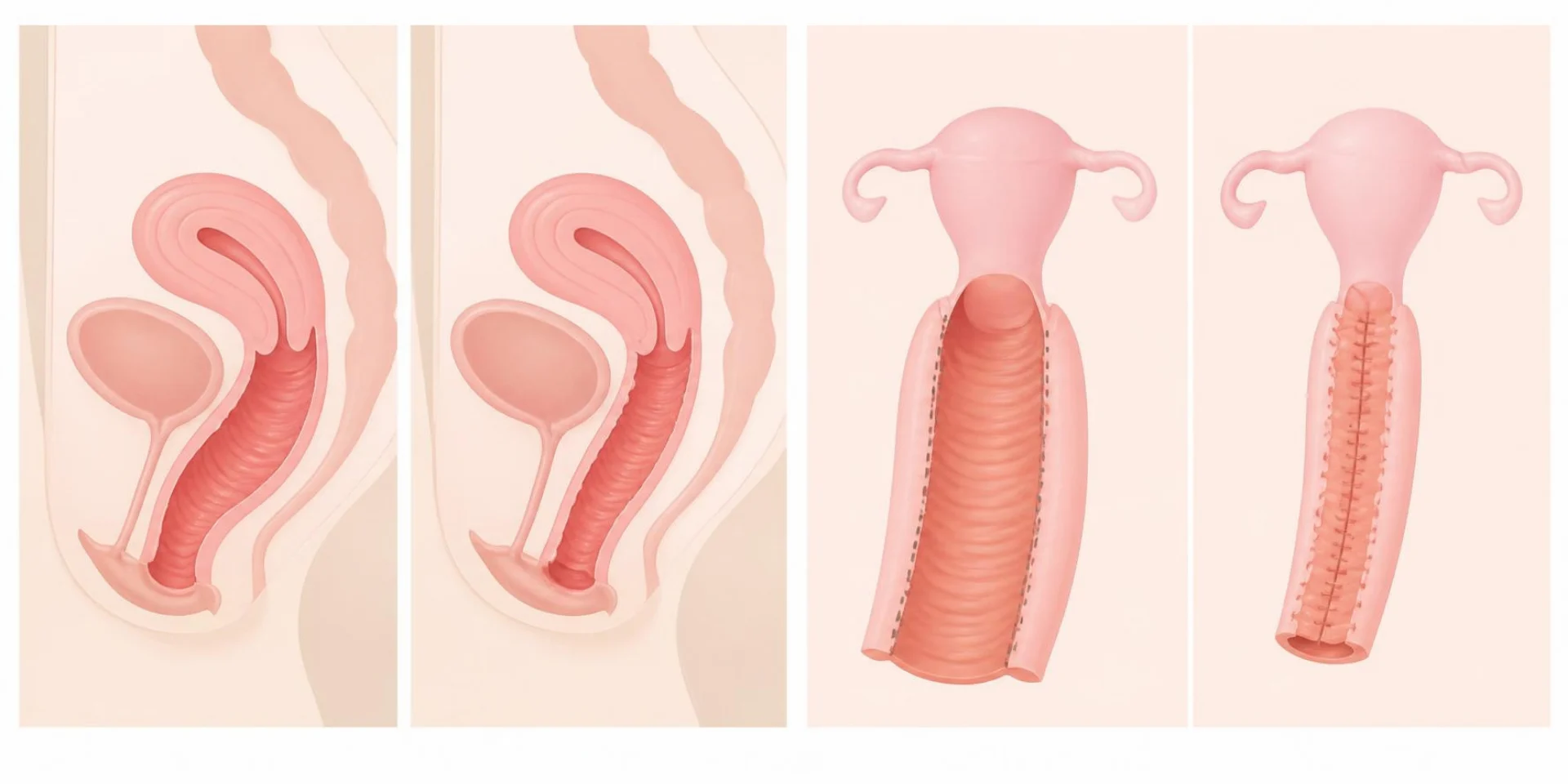
During a vaginal delivery, the vaginal walls, the opening and the muscles of the pelvic floor stretch far beyond their usual range so the baby can pass. They are built for this and recover a good deal on their own, yet the recovery is not always complete. The medical term for the lasting change women notice is vaginal laxity: a sense that the canal or entrance is wider or less firm than before.
Several things make it more likely:
- More than one vaginal birth
- A large baby, a long pushing stage, or delivery with forceps or a vacuum
- A tear or episiotomy that healed thin or uneven at the perineum, the area between the vaginal opening and the anus
- Lower estrogen levels while breastfeeding and later around menopause, which leave the vaginal lining thinner
None of these mean your body is damaged, and no single measurement decides what counts as loose. Two women with the same examination findings can feel completely differently about them. What matters is whether the change bothers you and for how long it has lasted.
The first months after birth are a time of recovery, and many women find that the feeling eases as muscle tone returns. Giving it time, and working on the pelvic floor, comes before any decision about procedures.
Laxity, prolapse and bladder leaks: telling them apart
Searches for a looser feeling after birth often overlap with two other conditions that need different care. It helps to know which one you are dealing with, because the answer changes the next step.
- Vaginal laxity is a sense of width or looseness at the opening or in the canal, without other symptoms.
- Pelvic organ prolapse is when the bladder, uterus or bowel presses into the vaginal wall. Signs include a bulge you can see or feel, a heavy or dragging sensation that worsens by evening, or difficulty emptying the bladder or bowel.
- Stress urinary incontinence is leaking urine when you cough, sneeze, laugh, jump or lift.
All three can appear together after childbirth. Prolapse and incontinence call for a medical assessment, and vaginal tightening surgery is not offered as a treatment for either. If any of these signs sound familiar, mention them at consultation so they are examined, not overlooked.

Options for vaginal laxity, from exercise to surgery
Recent reviews of treatments for vaginal laxity put pelvic floor muscle training first, and rate the evidence for both devices and surgery as low certainty, based on short follow-up and subjective measures (Randombage et al., 2026). With that in mind, the main routes are:
- Pelvic floor muscle training. Regular, correctly performed exercises for the muscles around the vagina, ideally taught by a pelvic health physiotherapist. It carries little risk and is the usual starting point.
- Energy-based vaginal treatments. Laser, radiofrequency and focused ultrasound devices heat the vaginal wall. Professional bodies and gynecology societies regard the evidence for laxity as limited, and a systematic review found that benefits seen in observational studies were not confirmed in randomized trials (Pereira et al., 2024). Women who choose them should know results vary and are not established.
- Vaginoplasty for women. Vaginal tightening surgery narrows the canal and opening by tightening the back vaginal wall, drawing the pelvic floor muscles together and rebuilding the perineum. It is the most direct physical change, and it also carries surgical risks such as bleeding, infection and pain during intercourse if the result is too tight.
No option can promise a particular sensation. A systematic review found that improved sensation after vaginal narrowing procedures was not confirmed in the studies available (Pereira et al., 2024). The right choice depends on how much the change affects you, whether you plan more children, and what you have already tried.

Timing after a birth, and what to expect at a consultation
There is no fixed number of months that applies to everyone. Surgery is considered only once healing from the delivery is complete, never during pregnancy, and usually after you have finished having children, since a later vaginal birth can stretch the tissue again. If you are still breastfeeding, mention it, because hormone levels at that stage affect the vaginal lining.
At S Women's Clinic, the consultation is with Dr. Hye-Yeon Lee, a female OB/GYN specialist, one to one. She asks what you have noticed and since when, examines the vaginal walls, the opening and the perineum, and checks for signs of prolapse. She may well recommend pelvic floor training or simply more time instead of a procedure, and she says so when she thinks surgery is not needed.
It helps to bring a short history: the number and type of deliveries, any tears or stitches, and anything you have already tried.

The doctor who consults you is the one who operates.

Dr. Lee has treated women in Gangnam since 2008. She plans each surgery around natural shape and symmetry, explains every option — including when a procedure is not needed — and recommends only what fits your goal.
- 2000
Medical license No. 70918 — Ministry of Health and Welfare, Korea · Chonnam National University Medical School
- 2001–2006
Internship and OB/GYN residency, Samsung Medical Center · Master's degree, Chonnam National University (2004)
- 2006
OB/GYN specialist certificate No. 5679 — Ministry of Health and Welfare
- 2006–2008
Bomvit Hospital · Associate director, Floche Women's Clinic
- 2008
Opens S Women's Clinic, a cosmetic gynecology practice in Gangnam
- 2012
Attended the 2nd Asia-Pacific Congress on Gynecoplastic Surgery, Seoul

Real results, shared privately.
3,000 cumulative cases at S Women's Clinic, 2008 – 2026, as recorded by the clinic. Before-and-after photos are never posted on this site — ask us, and we'll send you a private link to cases like yours.
- 01
Tell us your concern
Which procedure, and what worries you most.
- 02
Get a private link
Cases close to yours — our team shares the link during your consultation.
- 03
Talk it through with Dr. Lee
At consultation, she explains what is realistic for your body.
Current promotions
Tap a card to see it full size.
Questions about laxity after childbirth
Is a “loose vagina” after childbirth normal?
Yes, a looser feeling after a vaginal delivery is common. The canal, opening and pelvic floor stretch during birth and often regain much of their tone over the following months. The phrase is widely searched, but laxity is a normal change and not a defect.
Can pelvic floor exercises help with laxity after birth?
They are the recommended first step. Exercises that strengthen the muscles around the vagina carry little risk and can be started once your midwife or doctor says postpartum healing allows. Learning the correct technique from a pelvic health physiotherapist makes a real difference to how well they are done.
How long after giving birth should I wait before considering surgery?
There is no set number of months. Healing from the delivery has to be complete, and most women wait until they have finished having children. The doctor decides on timing after examining you and hearing about your births and plans.
How can I tell whether I have laxity or a prolapse?
A bulge, a heavy or dragging feeling, or trouble emptying the bladder or bowel point toward prolapse, while laxity is a looser feeling without those signs. Only an examination can confirm which it is, and prolapse needs medical care before any cosmetic procedure is discussed.
Will tightening surgery change how intimacy feels?
No one can promise that. Surgery changes the width of the canal and opening, but studies have not confirmed a change in sensation afterwards, and an opening made too narrow can cause pain. The doctor discusses realistic expectations with you before any decision.
Do non-surgical laser treatments work for laxity?
The evidence is limited. Gynecology societies have cautioned that energy-based vaginal devices are not proven for laxity, and results vary from woman to woman. If you are considering them, ask what the evidence shows and what outcome is realistic for you.
Can I see a female doctor about laxity in Seoul?
Yes. At S Women's Clinic near Gangnam Station, every consultation is one to one with Dr. Hye-Yeon Lee, a female OB/GYN specialist. You can describe your concern in English through the form on this page beforehand, and we will reply as soon as possible.
What visitors wrote on Google.
These reviews were posted publicly on our Google Business Profile and appear as written — not selected or edited by the clinic.
Thanks to the photographic materials provided during the consultation, I was able to accurately understand my condition. It was a bit uncomfortable at the beginning of my recovery, but I was satisfied with the results.
I got a recommendation from an acquaintance, and the cost was a bit of a burden. However, I can definitely feel the difference in effectiveness.
I specifically chose the director for my surgery after watching his YouTube video! He has such a great personality, which made me want to have the surgery with him even more haha.
Tell us your concern.
Send your question — no photos needed. We reply in English as soon as possible.
Exit 12, a five-minute walk.
Weekday lunch 13:30–14:30 · Closed Sun & public holidays

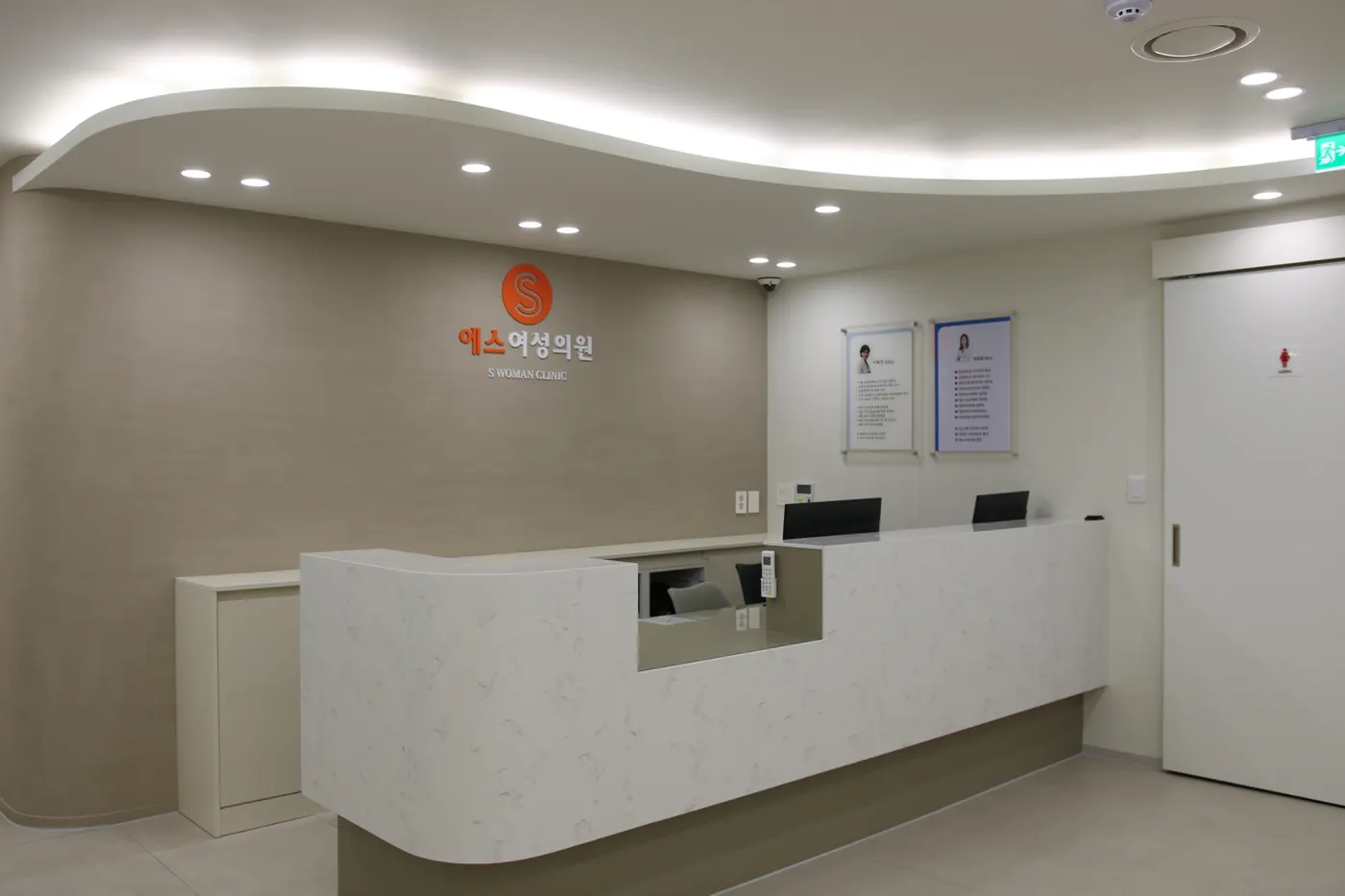
5th floor — look for the orange S sign at reception.